


Exploring Cash-Out Refinance Strategies for Property Investors in the German Real Estate Market opens up a world of opportunities and insights. From understanding the basics to navigating the complexities, this topic delves into a realm where financial strategies meet real estate investments.
Dive into the intricacies of cash-out refinance and discover how property investors in Germany can leverage this financial tool to unlock potential in the real estate market.
Overview of Cash-Out Refinance in the German Real Estate Market
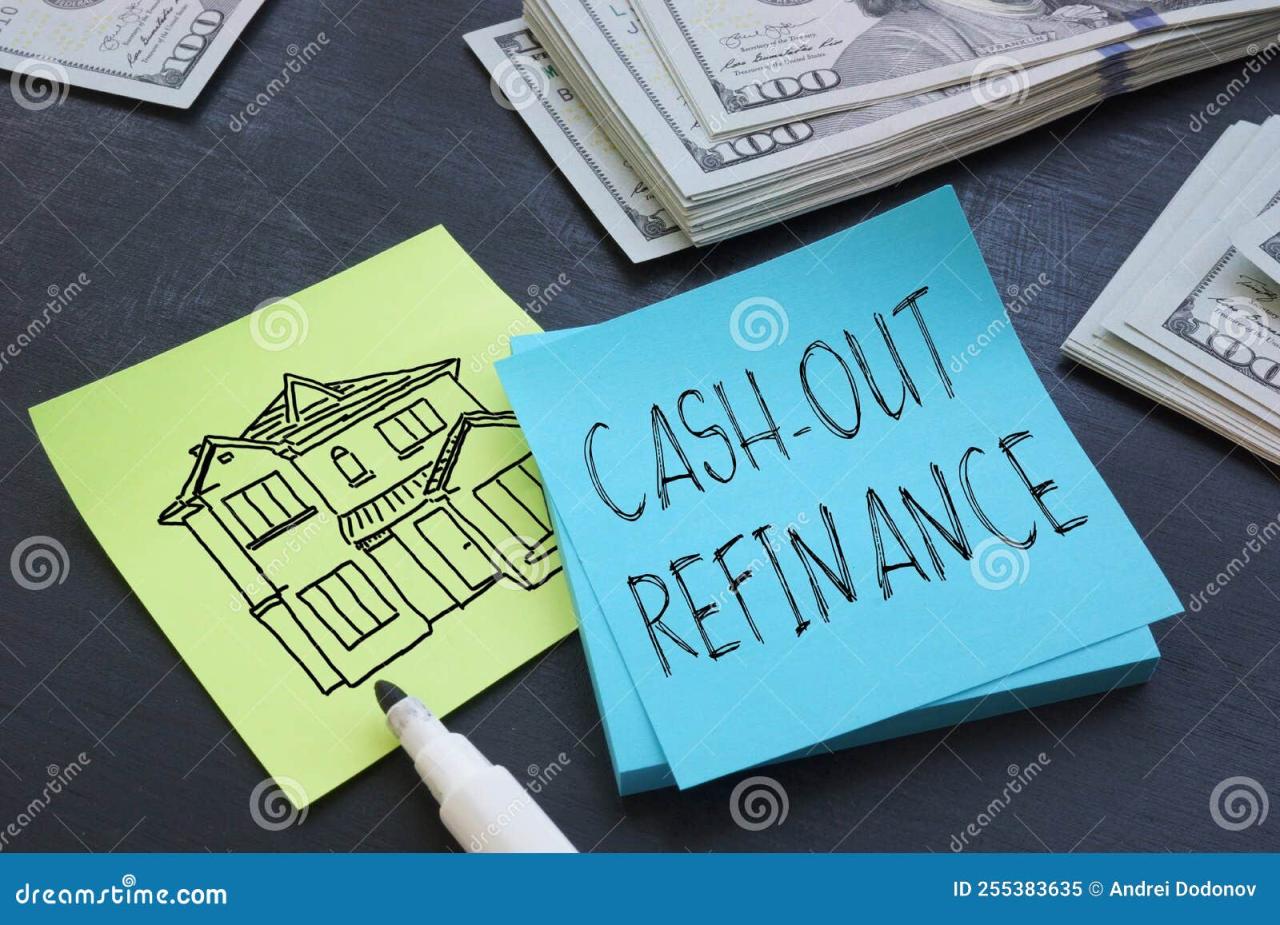
Cash-out refinance is a financial strategy that allows property investors in Germany to access the equity in their properties by refinancing their existing mortgage for an amount greater than the current loan balance. This enables investors to receive a lump sum of cash based on the property's value, which can then be used for various purposes.
Key Benefits of Cash-Out Refinance in the German Real Estate Market
- Access to Liquidity: Cash-out refinancing provides property investors with access to immediate cash without having to sell the property.
- Lower Interest Rates: By refinancing at a lower interest rate, investors can potentially reduce their monthly mortgage payments and overall financing costs.
- Capital for Investments: The cash obtained from a refinance can be used to fund new real estate investments, renovations, or other ventures to grow the investor's portfolio.
Risks Involved in Cash-Out Refinance and Mitigation Strategies
While cash-out refinance offers several benefits, there are risks that investors need to consider:
- Increased Debt: Taking out additional debt through a refinance can lead to higher monthly payments and overall debt burden.
- Market Volatility: Fluctuations in the real estate market can impact the property's value and affect the investor's equity position.
- Risk of Default: If the investor is unable to meet the new mortgage payments, there is a risk of default and potential loss of the property.
To mitigate these risks, property investors can:
- Conduct Thorough Due Diligence: Evaluate the property's current market value and potential for appreciation before proceeding with a cash-out refinance.
- Maintain Adequate Cash Reserves: Ensure there are sufficient funds to cover unexpected expenses or changes in the market conditions.
- Consider Diversification: Spread investments across different properties or asset classes to reduce concentration risk.
Current Trends and Statistics in the German Real Estate Market
In recent years, the German real estate market has seen significant growth and stability, making it an attractive option for property investors. Let's delve into the current trends and statistics shaping the landscape.Property Prices and Market Trends in Major German Cities
The property prices in major German cities such as Berlin, Munich, Hamburg, and Frankfurt have been steadily increasing over the past few years. For example, in Berlin, the average price per square meter has risen by X% in the last year alone. This trend indicates a high demand for properties in urban centers, driving up prices and making investments in these cities lucrative for investors.Popularity of Cash-Out Refinance among Property Investors
Cash-out refinance has gained popularity among property investors in Germany due to its flexibility and cost-effectiveness. Unlike traditional financing options, cash-out refinance allows investors to leverage the equity in their properties to access additional funds for other investments or expenses. This option is particularly attractive in a rising market, where property values are increasing, providing investors with more capital to work with.Impact of External Factors on Cash-Out Refinance Feasibility
External factors such as interest rates and economic conditions play a crucial role in determining the feasibility of cash-out refinance strategies. When interest rates are low, investors can take advantage of favorable borrowing conditions to refinance their properties at lower rates, reducing their overall financing costs. On the other hand, economic downturns or market uncertainties can make cash-out refinance less appealing, as investors may be more cautious about taking on additional debt in uncertain times.Legal and Regulatory Framework for Cash-Out Refinance in Germany
:max_bytes(150000):strip_icc()/Investopedia-terms-cash_out-refinance-7a7a8b788e544e22ab9f72a09a99cd81.jpg "Getting a Cash-Out Refinance on an Investment Property - Refi.com") When considering cash-out refinance in the German real estate market, property investors must navigate through specific legal requirements and regulations to ensure compliance and success in their strategies.
When considering cash-out refinance in the German real estate market, property investors must navigate through specific legal requirements and regulations to ensure compliance and success in their strategies.
Legal Requirements and Regulations
- Property investors in Germany need to adhere to the Mortgage Lending Value (Beleihungswert) regulations, which determine the maximum loan-to-value ratio that can be obtained through cash-out refinance.
- It is essential to work with a notary to formalize the mortgage contract and ensure that all legal aspects of the refinance transaction are properly documented.
Tax Implications
- When opting for cash-out refinance in Germany, property investors should consider the tax implications, as interest expenses on the refinanced amount may be tax-deductible.
- Capital gains tax may also apply if the property has appreciated in value significantly since the initial purchase.
Compliance with Regulatory Frameworks
- Compliance with regulatory frameworks is crucial for the success of cash-out refinance strategies in Germany, as failure to meet legal requirements can lead to delays or even the cancellation of the refinancing process.
- Property investors need to stay updated on any changes in regulations related to real estate financing to ensure that their cash-out refinance transactions remain in line with the law.
Best Practices for Implementing Cash-Out Refinance Strategies
When it comes to implementing cash-out refinance strategies in the German real estate market, there are several best practices that property investors should consider. These practices can help investors make informed decisions and maximize the benefits of cash-out refinance deals.
Choosing the Right Lenders
One crucial step in implementing cash-out refinance strategies is selecting the right lenders. It is essential to research and compare different lenders to find the ones that offer favorable terms and conditions for cash-out refinance deals. Look for lenders with experience in the German real estate market and a track record of successful transactions.
Negotiating Favorable Terms
Successful cash-out refinance deals often involve negotiating favorable terms with lenders. This can include securing lower interest rates, flexible repayment options, and favorable loan-to-value ratios. Property investors should be prepared to negotiate and advocate for terms that align with their investment goals.
Real-Life Case Studies
Examining real-life case studies or examples of successful cash-out refinance projects in Germany can provide valuable insights for property investors. By studying these cases, investors can learn from the experiences of others and apply similar strategies to their own cash-out refinance deals. Real-life examples can help investors understand the potential risks and rewards associated with cash-out refinance in the German real estate market.
Final Wrap-Up
In conclusion, Cash-Out Refinance Strategies for Property Investors in the German Real Estate Market offer a unique avenue for maximizing returns and accessing capital. By understanding the benefits, risks, and best practices, investors can make informed decisions to propel their real estate ventures forward.
Expert Answers
What are the key benefits of cash-out refinance for property investors in Germany?
Cash-out refinance allows investors to access equity without selling their property, providing liquidity for other investments or property improvements.
How do interest rates and economic conditions impact cash-out refinance feasibility?
Lower interest rates and favorable economic conditions can make cash-out refinance more attractive by reducing borrowing costs and increasing property values.
What legal requirements do property investors need to consider for cash-out refinance in Germany?
Property investors must adhere to regulations related to loan-to-value ratios, property valuations, and documentation to ensure compliance with the law.