


Beginning with Fixed vs. Variable Mortgage Rates in Australia: Where is the Market Heading in 2026?, the narrative unfolds in a compelling and distinctive manner, drawing readers into a story that promises to be both engaging and uniquely memorable.
As we delve into the comparison between fixed and variable mortgage rates, we aim to provide a comprehensive understanding of the Australian market trends for 2026.
Fixed vs. Variable Mortgage Rates in Australia
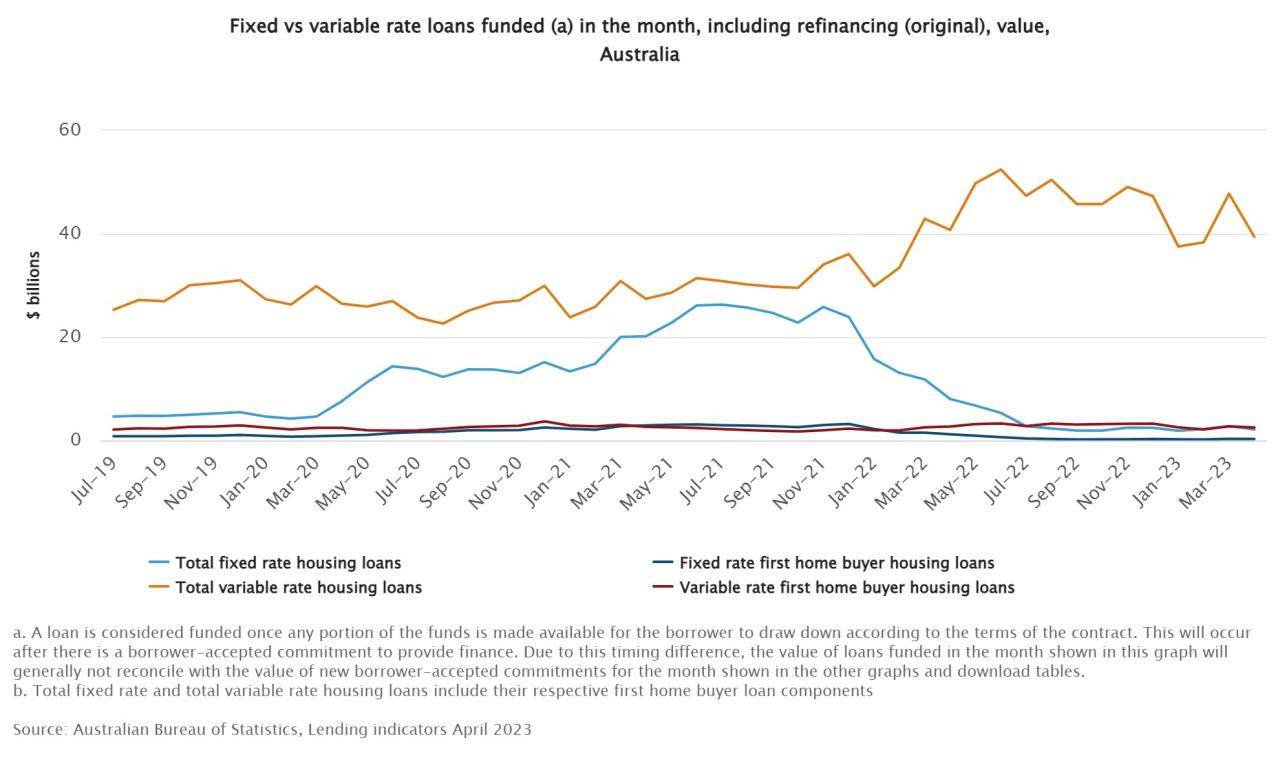
When it comes to mortgage rates in Australia, borrowers often have the option to choose between fixed and variable rates. Each type comes with its own set of advantages and disadvantages, impacting the overall cost and flexibility of the loan.
Fixed Mortgage Rates
Fixed mortgage rates refer to interest rates that remain the same for the duration of the fixed period, typically ranging from 1 to 5 years. This means that borrowers will have a consistent monthly repayment amount, providing certainty and predictability in budgeting.
One of the key advantages of fixed rates is protection against interest rate hikes, offering stability in repayments even if market rates increase. However, the downside is that borrowers may miss out on potential savings if market rates decrease during the fixed period.
Variable Mortgage Rates
Variable mortgage rates, on the other hand, fluctuate in line with market conditions and official cash rate changes set by the Reserve Bank of Australia. This means that monthly repayments can vary, potentially increasing or decreasing over time.
One of the advantages of variable rates is the possibility of benefiting from lower interest rates if market conditions are favorable. However, borrowers also face the risk of higher repayments if interest rates rise, leading to uncertainty in budgeting.
Current Mortgage Rate Trends in Australia
In Australia, the current mortgage rate scenario is influenced by various factors that impact both fixed and variable rates. These rates play a crucial role in determining the cost of borrowing for home buyers and can significantly affect the overall housing market.Factors Influencing Mortgage Rates in Australia
- Economic Conditions: The state of the economy, including factors like inflation, unemployment rates, and GDP growth, can influence mortgage rates. In times of economic growth, rates may increase, while during economic downturns, rates may decrease to stimulate borrowing.
- RBA Monetary Policy: The Reserve Bank of Australia (RBA) sets the official cash rate, which serves as a benchmark for mortgage rates. Changes in the cash rate by the RBA can lead banks to adjust their lending rates accordingly.
- Global Economic Trends: International economic conditions, such as changes in global interest rates and geopolitical events, can also impact Australian mortgage rates. Global economic stability or volatility can influence local borrowing costs.
How Economic Conditions Impact Mortgage Rate Fluctuations
- Interest Rates: When the RBA increases the cash rate to control inflation, banks may raise their mortgage rates, making borrowing more expensive. Conversely, rate cuts can make borrowing more affordable for consumers.
- Consumer Confidence: High consumer confidence in the economy can lead to increased borrowing and spending, prompting banks to adjust rates accordingly. On the other hand, low consumer confidence may result in lower borrowing activity and potential rate reductions.
- Housing Market Trends: The state of the housing market, including factors like housing prices and demand, can impact mortgage rates. Strong demand may lead to higher rates, while a slowdown in the market could result in rate adjustments to attract borrowers.
Market Analysis
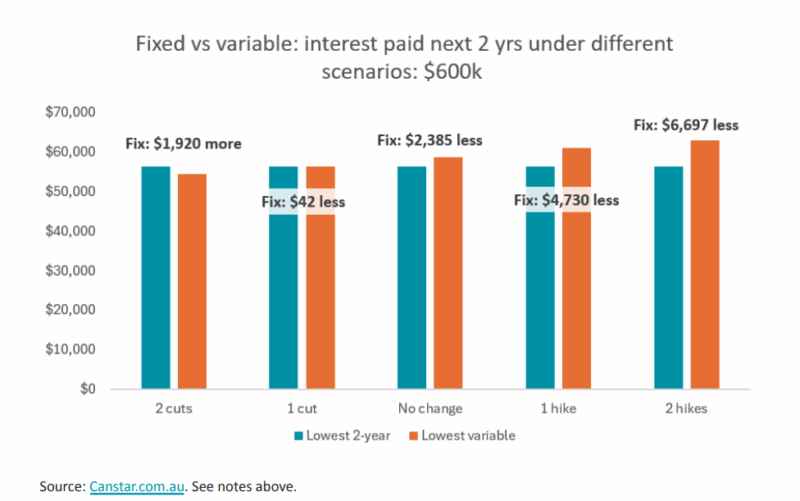 In this section, we will delve into the historical trends of fixed and variable mortgage rates in Australia and analyze the implications of these trends over the past few years.
Historical Trends
- Historical data shows that fixed mortgage rates in Australia have generally been higher compared to variable rates.
- Over the past few years, there have been fluctuations in both fixed and variable rates, influenced by various factors such as economic conditions, inflation rates, and central bank policies.
- Fixed rates tend to provide stability and predictability for borrowers, while variable rates offer flexibility but are subject to market fluctuations.
- There have been instances where fixed rates have been lower than variable rates, leading to increased interest and demand for fixed-rate mortgages.
- Patterns and cycles in mortgage rate movements are closely monitored by economists and financial analysts to predict future trends and guide borrowers in making informed decisions.
Factors Affecting Mortgage Rates
When it comes to understanding mortgage rates in Australia, it is crucial to consider the various factors that influence both fixed and variable rates. These factors play a significant role in determining the cost of borrowing for homeowners and potential buyers.Key Factors Determining Mortgage Rates
- Economic Conditions: The overall health of the economy, including inflation rates, GDP growth, and employment numbers, can impact mortgage rates. Lenders may adjust rates based on these economic indicators.
- Interest Rates: The official cash rate set by the Reserve Bank of Australia (RBA) directly affects mortgage rates. Changes in the cash rate can lead to fluctuations in borrowing costs.
- Competition Among Lenders: The level of competition in the mortgage market can influence rates. When lenders compete for customers, they may offer more competitive rates to attract borrowers.
- Loan Term and Type: The length of the loan term and whether it is a fixed or variable rate mortgage can also impact interest rates. Fixed-rate loans tend to have higher rates initially but provide stability, while variable rates can fluctuate with market conditions.
Impact of Reserve Bank of Australia Decisions
- The Reserve Bank of Australia plays a crucial role in shaping mortgage rates through its monetary policy decisions. When the RBA adjusts the cash rate, it directly influences the interest rates that lenders offer to borrowers.
- Changes in the cash rate can lead to a ripple effect on mortgage rates across the market. For example, a rate cut by the RBA may result in lower borrowing costs for homeowners, while a rate hike could increase the cost of borrowing.
- Borrowers should pay close attention to RBA announcements and decisions, as they can have a significant impact on mortgage repayments and overall housing affordability.
External Influences on Australian Mortgage Rates
- Global Economic Trends: Global economic conditions, such as changes in international interest rates, trade agreements, and geopolitical events, can influence Australian mortgage rates. These external factors can impact the cost of funding for lenders and ultimately affect the rates offered to borrowers.
- Market Volatility: Uncertainty in financial markets, fluctuations in currency exchange rates, and changes in investor sentiment can also contribute to movements in mortgage rates. Lenders may adjust their rates in response to market volatility to manage risks effectively.
- Regulatory Changes: Government policies, regulations, and industry reforms can impact mortgage rates by influencing lending practices, risk assessment criteria, and market competition. Borrowers should stay informed about regulatory developments that could affect their borrowing costs.
Predictions for 2026
In 2026, experts predict that the Australian mortgage rate market will continue to see fluctuations influenced by various economic factors. Both fixed and variable rates are expected to respond to the changing landscape of inflation, economic growth, and global market conditions.Fixed Mortgage Rates
Fixed mortgage rates in 2026 are likely to remain competitive as lenders try to attract borrowers looking for stability in their repayments. The rates may see a slight increase if inflation picks up pace, but overall, they are expected to stay relatively low compared to historical averages. Borrowers opting for fixed rates may benefit from locking in favorable rates for a longer period, providing them with financial security amid uncertain economic conditions.Variable Mortgage Rates
Variable mortgage rates, on the other hand, could be more susceptible to market fluctuations in 2026. With the Reserve Bank of Australia (RBA) closely monitoring inflation and economic growth, variable rates may adjust accordingly to reflect the changing monetary policy. Borrowers with variable rate loans should be prepared for potential rate hikes if the RBA decides to tighten monetary policy to curb inflationary pressures.Overall Market Outlook
In general, the mortgage rate market in Australia is expected to be influenced by a balance between inflation, economic growth, and global market trends in 2026. Borrowers should stay informed about the latest developments in the economy and mortgage industry to make informed decisions about their loan options. As the market evolves, both fixed and variable rates will continue to play a crucial role in shaping the borrowing landscape for Australian homeowners.Wrap-Up
In conclusion, the discussion on Fixed vs. Variable Mortgage Rates in Australia: Where is the Market Heading in 2026? highlights the complexities and considerations involved in choosing between these two types of rates. It's essential to stay informed and adapt to the evolving market landscape to make informed financial decisions.
Questions Often Asked
What are the main differences between fixed and variable mortgage rates?
Fixed rates provide stability with set interest rates, while variable rates fluctuate based on market conditions. Each has its advantages and disadvantages depending on individual financial goals.
How do economic conditions impact mortgage rate fluctuations in Australia?
Economic factors like inflation, employment rates, and economic growth can influence mortgage rates, leading to either increases or decreases depending on the prevailing conditions.
Are there any patterns or cycles in historical trends of mortgage rates in Australia?
Historical data may reveal cyclical patterns in mortgage rate movements, showing periods of stability followed by fluctuations based on various economic indicators.