


Refinancing a Home Loan in Germany (Umschuldung): How to Secure Lower Interest Rates sets the stage for this enthralling narrative, offering readers a glimpse into a story that is rich in detail with casual formal language style and brimming with originality from the outset.
The content of the second paragraph that provides descriptive and clear information about the topic
Understanding Home Loan Refinancing in Germany
Refinancing a home loan in Germany refers to the process of taking out a new loan to pay off an existing mortgage on a property. This can be done to secure lower interest rates, adjust the loan term, or access equity built up in the property. One of the key reasons individuals opt for refinancing their home loans in Germany is to take advantage of lower interest rates. By refinancing at a lower rate, borrowers can potentially save money on their monthly payments and overall interest costs. Another common reason for refinancing a home loan in Germany is to change the loan term. Borrowers might choose to refinance to extend the loan term and reduce monthly payments or shorten the term to pay off the loan faster and save on interest. The primary home loan in Germany refers to the original mortgage taken out to purchase a property. Refinancing terms, on the other hand, refer to the conditions of the new loan taken out to replace the existing mortgage. These terms can include the interest rate, loan term, and any fees associated with the refinancing process.Key Differences between Primary Home Loan and Refinancing Terms
In the context of Germany, the primary home loan is typically used to finance the purchase of a property, while refinancing terms are focused on adjusting the existing mortgage to better suit the borrower's financial needs.- Primary Home Loan:
- Used for property purchase
- Initial loan terms
- Fixed or variable interest rates
- Refinancing Terms:
- Adjusted loan terms
- New interest rates
- Potential fees or costs
Eligibility Criteria for Home Loan Refinancing
When considering refinancing a home loan in Germany, individuals need to meet certain eligibility criteria to secure the new loan. These criteria typically include factors such as credit score, income stability, and debt-to-income ratio.Credit Score Requirements
In Germany, the credit score plays a crucial role in determining eligibility for home loan refinancing. While the specific credit score requirements may vary between lenders, a good credit score is generally necessary to qualify for a refinanced loan with lower interest rates. Lenders typically look for a credit score of 650 or higher to consider an applicant for refinancing.Income Stability
Income stability is another key factor that lenders consider when evaluating eligibility for home loan refinancing. Lenders want to ensure that borrowers have a consistent source of income to make timely mortgage payments. Individuals with a stable job history and a steady income are more likely to meet the income stability requirements for refinancing.Debt-to-Income Ratio
Apart from credit score and income stability, lenders also assess the debt-to-income ratio of applicants seeking home loan refinancing in Germany. A lower debt-to-income ratio indicates that a borrower has manageable levels of debt compared to their income, making them a lower financial risk for the lender. Lenders typically prefer borrowers with a debt-to-income ratio of 43% or lower.Process of Securing Lower Interest Rates through Refinancing
When looking to secure lower interest rates through refinancing a home loan in Germany, there are several key steps to consider. It is crucial to understand the process involved in order to make informed decisions that can potentially save you money in the long run.Comparing Multiple Lenders
One of the most important steps in securing lower interest rates is to compare offers from multiple lenders. By exploring different options, you can get a better sense of the competitive rates available in the market. This allows you to choose a lender that offers the most favorable terms for your refinancing needs.
Negotiating Terms with Existing Lender
Another strategy to secure better rates during refinancing is to negotiate terms with your existing lender. By discussing your options and expressing your willingness to switch lenders if necessary, you may be able to convince your current lender to offer you a more competitive rate. This can be particularly effective if you have a good payment history and strong credit score.
Considerations for Choosing a Refinancing Option
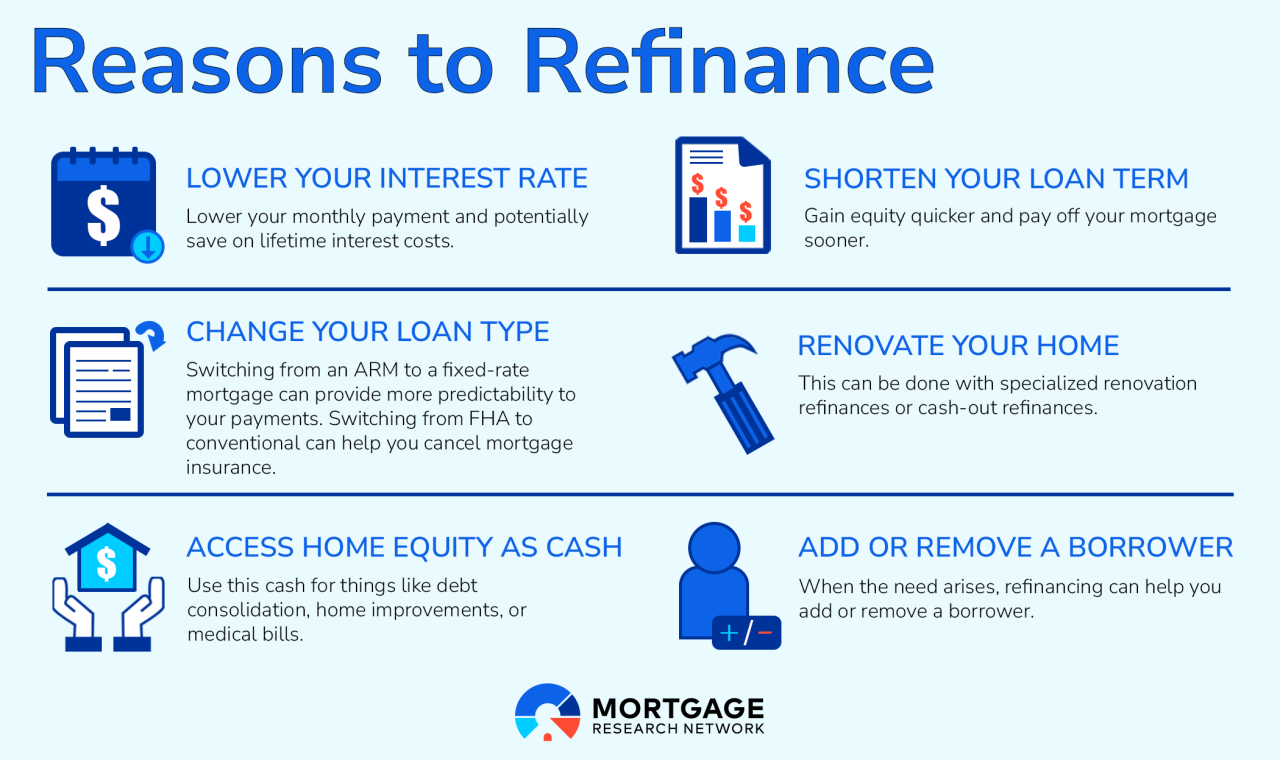 When considering refinancing a home loan in Germany, there are several factors to take into account to ensure you secure lower interest rates and make the best choice for your financial situation.
Comparing Fixed-Rate and Variable-Rate Options
- Fixed-Rate Refinancing: With a fixed-rate option, your interest rate remains constant throughout the loan term, providing stability and predictability in your monthly payments.
- Variable-Rate Refinancing: In contrast, a variable-rate option offers lower initial rates but can fluctuate based on market conditions, potentially leading to higher payments in the future.
Impact of Loan Term and Repayment Schedule
- The loan term: A shorter loan term typically results in lower interest rates but higher monthly payments, while a longer term may have slightly higher rates but lower monthly payments.
- Repayment schedule: Choosing between a fixed or flexible repayment schedule can also affect your interest rates. Opting for a shorter repayment schedule can help you secure lower rates.
Potential Costs of Refinancing
- Origination fees: Lenders may charge fees for processing your refinance application, which can vary depending on the lender and the size of your loan.
- Prepayment penalties: Some lenders may impose penalties if you pay off your existing loan early, so it's essential to consider these costs before refinancing.
- Appraisal and closing costs: You may need to pay for a new home appraisal and cover closing costs when refinancing, adding to the total cost of the process.
Final Wrap-Up
The content of the concluding paragraph that provides a summary and last thoughts in an engaging manner
Q&A
What are the typical eligibility requirements for home loan refinancing in Germany?
Typical eligibility requirements include a good credit score, stable income, and a history of timely payments.
How can negotiating with the existing lender help secure better rates during refinancing?
Negotiating with the existing lender can lead to reduced fees, lower interest rates, or more favorable terms, ultimately saving money in the long run.