


Delving into Fixed-Rate Mortgages in Germany: Why 10-Year and 15-Year Terms Are the Safest Bet, this introduction immerses readers in a unique and compelling narrative, with casual formal language style that is both engaging and thought-provoking from the very first sentence.
Fixed-rate mortgages are a popular choice in Germany, offering stability and predictability in monthly payments. In this article, we explore why opting for 10-year and 15-year terms can be the safest bet for borrowers looking for security and peace of mind in their mortgage agreements.
Fixed-Rate Mortgages Overview
Fixed-rate mortgages are a type of home loan where the interest rate remains the same throughout the entire term of the loan. This means that your monthly mortgage payments will also remain constant, providing predictability and stability to homeowners. In Germany, fixed-rate mortgages are quite popular due to their security and protection against interest rate fluctuations.Key Features of Fixed-Rate Mortgages in Germany
- Interest Rate Stability: The main attraction of fixed-rate mortgages is the stable interest rate, allowing borrowers to accurately budget their monthly payments without worrying about sudden increases.
- Long-Term Planning: With fixed-rate mortgages in Germany typically offered for 10 or 15-year terms, homeowners can plan their finances effectively for the foreseeable future.
- Protection against Rate Hikes: Fixed-rate mortgages shield borrowers from rising interest rates, providing peace of mind and financial security.
Comparison to Other Types of Mortgages
- Fixed vs. Adjustable-Rate Mortgages: Unlike fixed-rate mortgages, adjustable-rate mortgages have interest rates that can fluctuate, leading to unpredictable monthly payments. Fixed-rate mortgages offer more stability and are preferred by those seeking long-term financial security.
- Fixed vs. Interest-Only Mortgages: While interest-only mortgages may have lower initial monthly payments, they do not build equity in the home. Fixed-rate mortgages ensure gradual equity growth over time, making them a safer choice in the long run.
Importance of 10-Year and 15-Year Terms
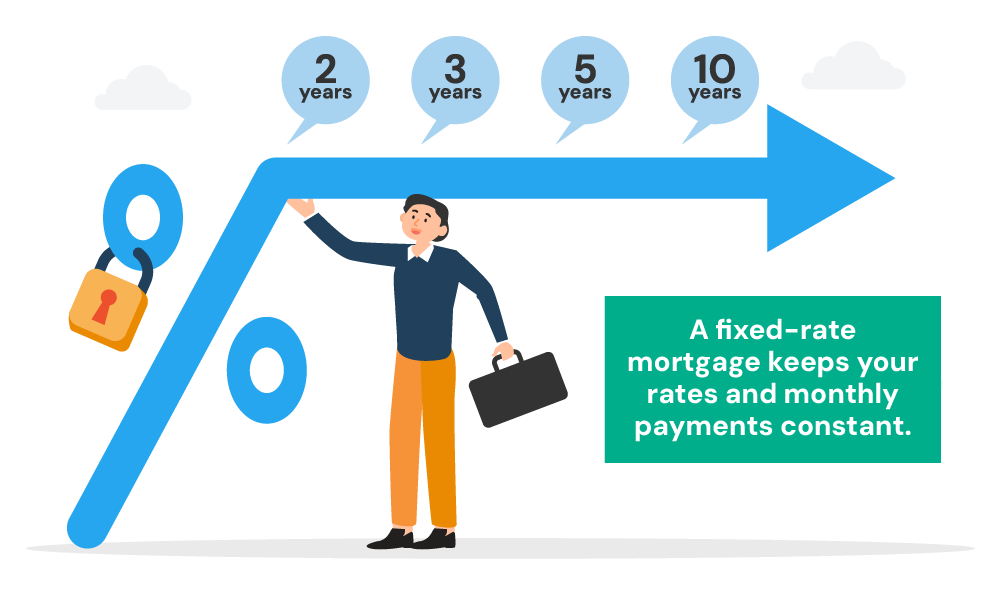 When it comes to fixed-rate mortgages in Germany, 10-year and 15-year terms stand out as popular choices among homebuyers. These specific term lengths offer various benefits that make them the safest bet for many borrowers.
Benefits of 10-Year and 15-Year Terms
- Stability and Predictability: One of the main advantages of opting for a 10-year or 15-year term is the stability it provides. With a fixed interest rate for the entire duration, borrowers can accurately predict their monthly payments without worrying about fluctuations in interest rates.
- Lower Interest Rates: Generally, 10-year and 15-year fixed-rate mortgages come with lower interest rates compared to longer terms. This can result in significant savings over the life of the loan.
- Faster Equity Building: Shorter loan terms mean borrowers pay off their principal faster, leading to quicker equity building in their homes. This can be advantageous for those looking to build wealth through property ownership.
Scenarios Where 10-Year and 15-Year Terms are Ideal
- Young Professionals: For young professionals who expect their income to increase over the years, a 10-year or 15-year term can be a smart choice. It allows them to pay off their mortgage faster while benefiting from lower interest rates.
- Retirees: Retirees looking to downsize or relocate may find 10-year or 15-year terms appealing. These shorter loan terms provide a sense of financial security and allow for debt-free homeownership during retirement.
- Property Investors: Investors looking to maximize their rental income or sell properties within a few years may opt for 10-year or 15-year terms. The faster equity building and lower interest rates can lead to higher returns on investment.
Interest Rates and Market Trends
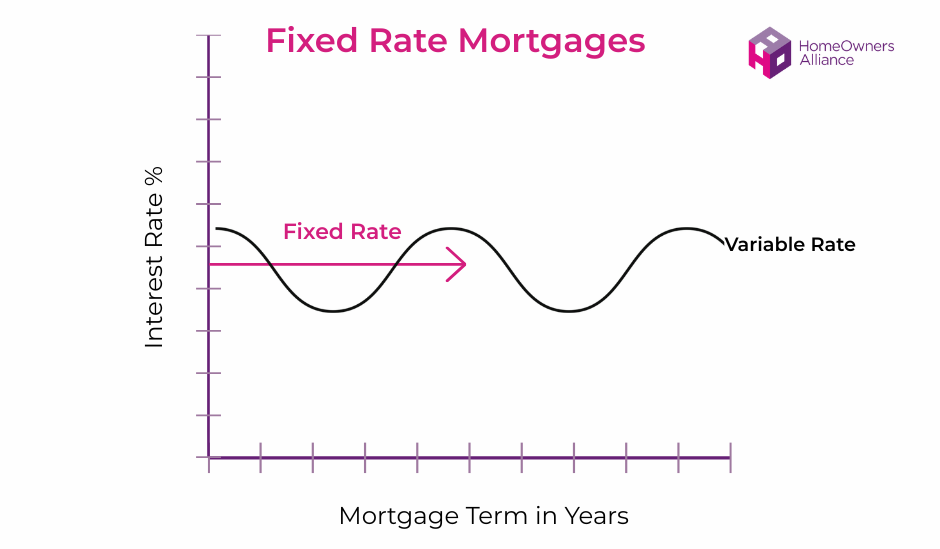 Interest rates play a crucial role in determining the overall cost of a fixed-rate mortgage. When interest rates are low, borrowers can secure a lower rate for the entire term of their loan, resulting in significant savings over time. On the other hand, high-interest rates can make monthly payments more expensive, impacting the affordability of the loan.
Impact of Interest Rates on Fixed-Rate Mortgages
- Low interest rates: Borrowers can lock in a lower rate for a longer period, providing stability and predictability in monthly payments.
- High interest rates: Monthly payments increase, making it more challenging for borrowers to afford their mortgage.
- Interest rate fluctuations: Even small changes in interest rates can have a significant impact on the total cost of the loan over the term.
Current Market Trends in Germany
- In recent years, interest rates in Germany have remained relatively low, making it an opportune time for borrowers to secure favorable fixed-rate mortgages.
- The German real estate market has shown steady growth, driving demand for mortgages and influencing interest rates.
- Economic factors, such as inflation rates and central bank policies, can also impact interest rates in the market.
Strategies for Borrowers to Navigate Interest Rate Fluctuations
- Consider locking in a rate: Borrowers can choose to lock in a rate when they find a favorable offer, protecting them from potential rate increases in the future.
- Monitor market trends: Stay informed about economic indicators and central bank decisions that could affect interest rates in the market.
- Consult with a financial advisor: Seeking professional advice can help borrowers make informed decisions about their mortgage options based on current market conditions.
Pros and Cons of Fixed-Rate Mortgages
When considering fixed-rate mortgages, it's important to weigh the advantages and drawbacks to make an informed decision on your home loan.Advantages of Fixed-Rate Mortgages
- Stability: Fixed monthly payments provide predictability, making budgeting easier.
- Protection from Interest Rate Increases: Your interest rate remains the same, shielding you from market fluctuations.
- Long-Term Planning: Fixed-rate mortgages offer peace of mind for homeowners who prefer stability over time.
Drawbacks of Fixed-Rate Mortgages
- Higher Initial Rates: Fixed-rate mortgages may have slightly higher interest rates compared to adjustable-rate mortgages.
- No Immediate Benefit from Interest Rate Decreases: If market rates drop, you won't see a decrease in your mortgage rate.
- Potential for Costly Refinancing: Refinancing a fixed-rate mortgage can come with fees and expenses that may not make financial sense in some cases.
Tips to Maximize the Benefits of Fixed-Rate Mortgages
- Lock in a Low Rate: Take advantage of low interest rates when they are available to secure a favorable mortgage rate.
- Consider Down Payment Options: A larger down payment can help reduce the overall cost of your mortgage.
- Review Refinancing Opportunities: Keep an eye on market trends and consider refinancing if it can significantly lower your interest rate.
Final Wrap-Up
In conclusion, choosing a fixed-rate mortgage with a 10-year or 15-year term in Germany can provide borrowers with a secure financial foundation for the future. By understanding the nuances of these mortgage options, individuals can make informed decisions that align with their long-term goals and financial stability.
Questions and Answers
What are the advantages of a fixed-rate mortgage in Germany?
Fixed-rate mortgages provide stability by locking in a consistent interest rate for the duration of the loan, protecting borrowers from fluctuations in the market.
Are there any downsides to choosing a fixed-rate mortgage with a 10-year or 15-year term?
One drawback could be potentially higher initial interest rates compared to adjustable-rate mortgages, but the long-term security and peace of mind often outweigh this concern.
How do market trends in Germany impact fixed-rate mortgages?
Market trends can influence interest rates on fixed-rate mortgages, so borrowers should stay informed to make strategic decisions regarding when to lock in their rates.