


Delving into Understanding the German Mortgage System: A Step-by-Step Guide for International Buyers, this introduction immerses readers in a unique and compelling narrative, with a casual formal language style that is both engaging and thought-provoking from the very first sentence.
As we explore the intricacies of the German mortgage system, we will uncover key features, eligibility criteria, the step-by-step process, interest rates, and the benefits and risks associated with this system.
Overview of the German Mortgage System
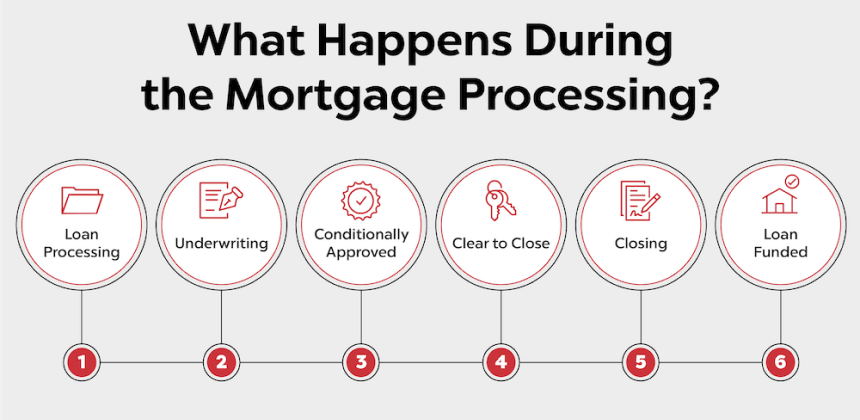 Germany has a unique mortgage system that differs significantly from those in other countries. Understanding the key features and components of the German mortgage system is crucial for international buyers looking to invest in real estate in Germany.
Key Features of the German Mortgage System
- Long loan terms: German mortgages typically have long loan terms, sometimes up to 30 years, allowing borrowers to spread out their payments over an extended period.
- Fixed interest rates: Unlike many other countries where mortgages often have variable interest rates, German mortgages usually come with fixed interest rates for the entire loan term, providing borrowers with stability and predictability.
- High down payments: In Germany, it is common for borrowers to make significant down payments, often up to 20-30% of the property's purchase price, which helps reduce the lender's risk.
- Full recourse loans: German mortgages are usually full recourse loans, meaning that borrowers are personally liable for the repayment of the loan, even if the value of the property drops below the outstanding loan amount.
Main Components of a Typical German Mortgage
- Loan amount: The loan amount in a German mortgage is typically determined based on the property's value and the borrower's financial situation.
- Interest rate: German mortgages come with fixed interest rates, which are determined at the time of loan approval and remain unchanged throughout the loan term.
- Repayment schedule: Borrowers can choose between different repayment schedules, including annuity loans, where the repayment amount remains the same throughout the loan term, and endowment loans, where borrowers pay interest during the loan term and the principal at the end.
- Additional costs: In addition to the loan amount, borrowers need to consider additional costs such as notary fees, land registration fees, and property transfer tax when taking out a mortgage in Germany.
Eligibility Criteria for International Buyers
When it comes to qualifying for a mortgage in Germany as an international buyer, there are specific requirements that need to be met. These criteria can vary from those applicable to German citizens, presenting unique challenges for foreign individuals looking to purchase property in Germany.
Requirements for International Buyers
International buyers looking to secure a mortgage in Germany typically need to meet the following criteria:
- Proof of stable income: Lenders will require evidence of a consistent and sufficient income to cover the mortgage payments.
- Residency status: Some lenders may require international buyers to have a residency permit in Germany.
- Down payment: International buyers may be required to provide a larger down payment compared to German citizens.
- Credit history: A positive credit history is essential for approval, demonstrating a good track record of managing debt.
Challenges for International Buyers
International buyers may face challenges such as language barriers, differences in banking systems, and unfamiliarity with German real estate laws and regulations. These factors can make the mortgage application process more complex for foreign individuals.
Comparison with German Citizens
German citizens may have an advantage when it comes to mortgage eligibility, as they are more familiar with the local financial system, have established credit histories in Germany, and may have access to certain government support programs for homebuyers.
Step-by-Step Guide to Obtaining a Mortgage in Germany
Securing a mortgage in Germany as an international buyer involves a specific process and documentation requirements. Understanding these steps can help you navigate the mortgage application process more effectively.
Documentation Required for Mortgage Application Approval
When applying for a mortgage in Germany, you will need to prepare a set of essential documents to support your application. These documents typically include:
- Proof of identity (passport or ID card)
- Proof of income (pay slips, employment contract)
- Proof of creditworthiness (credit report)
- Proof of residency (registration certificate)
- Property information (purchase contract, property valuation)
Timeline Involved in Obtaining a Mortgage in Germany
The timeline for obtaining a mortgage in Germany can vary depending on various factors, including the complexity of your financial situation and the lender's processing speed. Generally, the process can take anywhere from 4 to 8 weeks from application submission to final approval. It is essential to submit all required documents promptly to avoid delays in the approval process.
Interest Rates and Terms in the German Mortgage System
Understanding how interest rates are determined and the typical terms and conditions can help international buyers navigate the German mortgage market effectively.
Interest Rates in Germany
Interest rates in the German mortgage market are primarily influenced by the European Central Bank's monetary policy. The ECB sets the base rate, which impacts the rates offered by German banks. Additionally, individual lenders consider factors such as the borrower's creditworthiness, loan-to-value ratio, and the overall economic climate when determining mortgage interest rates.
Comparison of Interest Rates for International Buyers and German Residents
- International buyers may face slightly higher interest rates compared to German residents due to perceived higher risk and potential challenges in assessing their creditworthiness.
- German residents, on the other hand, may benefit from lower interest rates and more favorable terms, especially if they have a stable income and good credit history.
Common Mortgage Terms and Conditions in Germany
When obtaining a mortgage in Germany, borrowers can expect certain common terms and conditions, including:
- Loan-to-value ratio: German lenders typically finance up to 80% of the property's value, requiring borrowers to cover the remaining amount as a down payment.
- Fixed-rate vs. variable-rate mortgages: Borrowers can choose between fixed-rate mortgages, providing stable monthly payments, or variable-rate mortgages, with rates that may fluctuate based on market conditions.
- Amortization period: Mortgages in Germany often have longer amortization periods, typically ranging from 15 to 30 years, allowing borrowers to spread out their payments over an extended period.
- Early repayment options: Some German mortgages offer the flexibility of making early repayments without incurring additional fees, allowing borrowers to pay off their loan sooner if desired.
Benefits and Risks of the German Mortgage System
When considering obtaining a mortgage in Germany as an international buyer, it is essential to weigh the advantages and potential risks associated with the German mortgage system. Let's explore the benefits as well as the drawbacks to help you make an informed decision.
Advantages of Opting for a Mortgage in Germany
- Low Interest Rates: The German mortgage market offers historically low interest rates, making it an attractive option for international buyers looking to finance their real estate purchases.
- Long-Term Stability: Germany's real estate market is known for its stability, providing international buyers with a secure investment opportunity.
- Fixed-Rate Mortgages: Many lenders in Germany offer fixed-rate mortgages, providing buyers with predictability in their monthly payments over the long term.
- High Loan-to-Value Ratios: International buyers can often obtain mortgages with high loan-to-value ratios, allowing them to finance a significant portion of the property's purchase price.
Potential Risks of the German Mortgage System
- Exchange Rate Fluctuations: As an international buyer, you may be exposed to exchange rate risks when repaying your mortgage in a currency other than the Euro. Fluctuations in exchange rates could impact the overall cost of your loan.
- Non-Transferable Mortgages: Some German mortgages may not be easily transferable if you decide to sell your property before the loan term ends. This could limit your flexibility as a property owner.
- Additional Costs: There may be additional costs associated with obtaining a mortgage in Germany, such as legal fees, valuation fees, and insurance premiums, which international buyers should factor into their budget.
Mitigating Risks as an International Buyer
To mitigate risks when investing in German real estate through a mortgage, international buyers can consider options such as:
- Hedging against Exchange Rate Risks: International buyers can explore hedging strategies to protect themselves against adverse exchange rate movements and minimize the impact on their mortgage repayments.
- Reviewing Loan Terms Carefully: Before signing a mortgage agreement, it is crucial for international buyers to carefully review the terms and conditions, including any penalties for early repayment or restrictions on property resale.
- Seeking Professional Advice: International buyers can benefit from consulting with legal and financial experts who specialize in German real estate transactions to ensure a smooth and secure investment process.
Conclusion
Concluding our discussion on Understanding the German Mortgage System: A Step-by-Step Guide for International Buyers, we have unveiled a comprehensive overview that equips readers with essential knowledge to navigate the complexities of obtaining a mortgage in Germany.
Expert Answers
What are the specific criteria for international buyers to qualify for a mortgage in Germany?
International buyers typically need to provide proof of income, a solid credit history, and may be required to make a larger down payment compared to German citizens.
How are interest rates determined in the German mortgage market?
Interest rates in Germany are influenced by the European Central Bank's monetary policy, market conditions, and the borrower's creditworthiness.
What are the common mortgage terms and conditions in Germany?
Common terms in German mortgages include fixed or variable interest rates, loan duration, repayment schedule, and potential penalties for early repayment.